
 Beverlee Rasmussen
A business owner may say, “I need more marketing,” when the real issue is less obvious. Their offers may be unclear, and follow-up may be inconsistent. Their team may lack clear responsibility for lead response. They may also be investing in channels they cannot sustain. Small business marketing coaching helps the owner look beneath the immediate request, make better decisions, and build practices they can continue using.
For professionals who serve entrepreneurs, marketing is one of the most common and complex coaching conversations. It touches revenue, owner confidence, customer experience, operations, staffing, and cash flow. Small business marketing coaching helps owners see the system, choose priorities, and act consistently without turning the coach into their marketing department.
Why Marketing Problems Are Rarely Just Marketing Problems
In a small business, marketing does not operate in isolation. A campaign that produces more inquiries can expose slow response times and unclear sales conversations. It may also reveal weak scheduling capacity or inconsistent service delivery. A business with excellent referrals may still struggle because it has no dependable process for asking for them. An owner may post regularly on social media yet have no defined customer, compelling offer, or way to measure whether the effort is working.
This is why generic advice can disappoint. Telling every owner to “be more visible” may create activity without progress. Recommending a new platform may add another task to an already overloaded week. Even sound tactical advice can fail when it does not fit the business’s capacity, goals, budget, or stage of growth.
Effective small business coaching begins with context. What is the owner trying to accomplish? Which customers are most valuable? What happens between a first inquiry and a completed sale? Where are opportunities being lost? What resources, strengths, and constraints are already present?
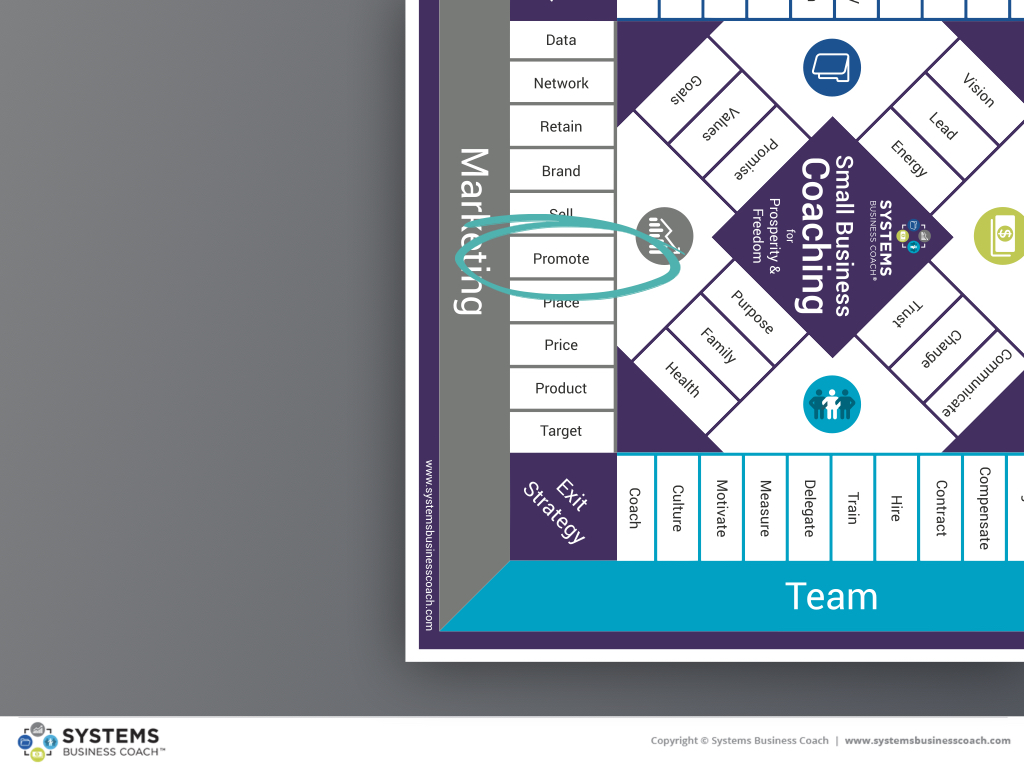
A systems perspective makes these questions practical. It recognizes that a marketing challenge may involve several connected systems: customer insight, lead generation, sales follow-up, pricing, service delivery, financial tracking, team communication, and policies and procedures. The coach does not need to have every marketing answer. They need the coaching skill and business understanding to help the owner identify the right question.
What Small Business Marketing Coaching Looks Like
Small business marketing coaching is not a substitute for specialist implementation. An owner may still need an agency, designer, copywriter, web developer, or advertising expert. The coaching work creates the clarity and accountability that allow those investments to be used wisely.
A coach may help an owner distinguish between a genuine strategic priority and a distracting idea. For example, an owner may want to launch on three new social platforms. Improving response time to existing leads could have a greater near-term effect. Another may realize that a more specific offer and a simple referral process could be more useful than increasing ad spend.
How Can Small Business Marketing Coaching Help Your Business Grow?
Small business owners often have questions about how to improve their marketing, attract the right customers and turn marketing efforts into measurable business results. Here are four questions that small business marketing coaching can help answer.
1. How do I identify my ideal customers and set realistic marketing goals?
Understanding who your business serves best is the foundation of an effective marketing strategy. A small business coach helps you clarify your business goals, identify your ideal customers and focus your marketing efforts on opportunities that align with your business strengths.
2. Why isn’t my small business marketing generating enough leads or sales?
Marketing challenges are often connected to gaps in the sales process, inconsistent follow-up or unclear responsibilities. Small business marketing coaching helps you examine your current systems, identify recurring problems and discover where improvements can make the greatest difference.
3. What marketing strategies work best for a small business with limited time and money?
The most effective marketing strategies are ones your business has the resources and capacity to implement. A small business coach helps you prioritize a manageable number of marketing activities based on your goals, available resources and opportunities for growth.
4. How can I measure whether my small business marketing is working?
Measuring marketing performance helps business owners understand which activities are producing results. Coaching supports you in establishing meaningful marketing measures, reviewing progress, learning from results and creating accountability for consistent improvement.
Does every small business need the same marketing strategy?
No. A startup may need to begin with customer discovery and developing its offer. An established service business may need to understand why leads are not converting into customers. A growing company may need clearer employee responsibilities, policies and procedures before increasing demand.
Effective small business marketing coaching responds to the needs, goals and capacity of each business.
The work often moves through four connected areas:
- Clarifying the business goal and the customers the business is best positioned to serve.
- Identifying the current marketing and sales process, including gaps, handoffs, and recurring breakdowns.
- Choosing a small number of actions that fit the owner’s available capacity.
- Establishing measures, reflection points, and accountability so the owner can learn from results.
These areas are not a rigid sequence. A startup may need to begin with customer discovery and offer design. A well-established service business may need to examine why leads are not converting. A growing company may need clearer roles and policies and procedures before it increases demand. Good coaching responds to the actual business, rather than forcing every owner through the same formula.
Small Business Marketing Coaching With a Coach Approach
Owners often seek advice because they are carrying many decisions alone. They may want someone to tell them exactly what to do. There are moments when a coach can share a framework, resource, observation, or relevant business experience. But if the professional solves every problem for the owner, the owner can become dependent on outside direction.
A coach approach protects the owner’s agency. It uses thoughtful questions, active listening, clear agreements, and accountability to support stronger thinking. It also respects that the owner knows their customers, history, risks, and personal constraints in ways an outside professional may not.
In a marketing conversation, questions might include: What evidence tells you this is the most important audience? What occurs after someone expresses interest? Which part of the process is repeatable, and which part depends entirely on you? What would a useful result look like in the next 90 days? What are you willing and able to maintain after the initial push?
These questions help turn vague concerns into choices. They also make room for appreciative inquiry: noticing what is already working, where the business has earned trust, and which strengths could be used more intentionally. An owner who says, “Our marketing never works,” may have a strong source of repeat customers, positive reviews, or a clear niche that has not yet been developed into a consistent system.
From Marketing Activity to an Organized and Profitable® Business
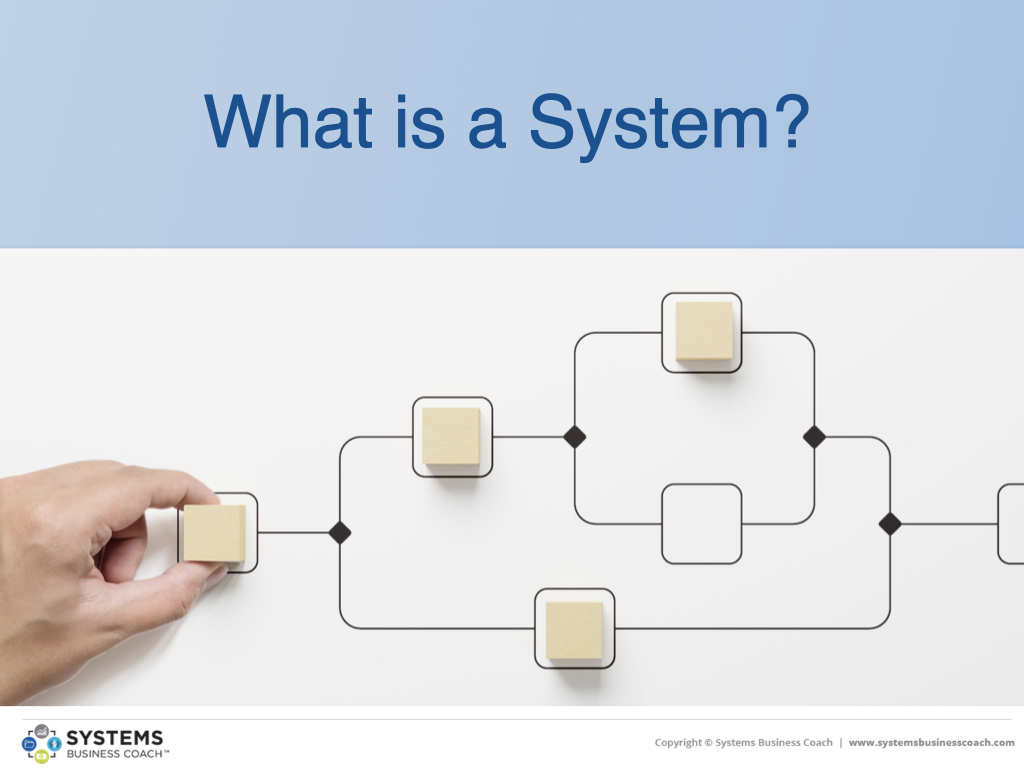
The goal is to help build an organized and profitable business with a marketing system that supports its larger direction.
That system may be simple. For a local professional service firm, it could include a defined ideal client, a clear service offer, a reliable intake process, timely follow-up, a monthly referral routine, and a basic dashboard for tracking inquiries, appointments, conversions, and revenue. For a retailer, it may include seasonal planning, customer communication, inventory coordination, and ways to encourage repeat visits.
The details vary, but the principle remains: marketing becomes more manageable when it is connected to operating reality. Owners need practices they can repeat, assign, measure, and improve. If a process only works when the owner has an unusually quiet week, it is not yet a dependable system.
Coaches can help owners make that distinction. They can explore what needs to be documented, what can be delegated, and what requires a decision before more activity begins. They can also help owners set boundaries. Not every marketing opportunity is worth pursuing, especially when it creates pressure on cash flow or distracts from a profitable core service.
Skills for Small Business Marketing Coaching
A marketing background can be valuable, but it is not enough by itself. Professionals serving small business owners need to know when they are coaching, when they are consulting, and how to make that distinction clear. Ethical practice matters, particularly when an owner is vulnerable, under financial pressure, or looking for certainty that no professional can honestly provide.
ICF-aligned coaching competencies offer a strong foundation for this work. They support trust, clear agreements, presence, listening, and client growth. Yet a general coaching foundation may not prepare someone to understand the daily realities of a small business: uneven cash flow, limited staff capacity, owner-led sales, competing operational demands, and decisions with immediate consequences.
That is where specialized education matters. Professionals may benefit from learning systems thinking alongside coaching skills, practical business tools, and methods designed for entrepreneur conversations. They need enough business fluency to recognize how marketing connects to finance, leadership, team performance, and operations, without assuming they must become the expert in every discipline.
Small Business Coach Training prepares professionals for this kind of work by combining coaching competencies with a practical small business methodology. The aim is to help coaches, consultants, advisors, accountants, economic development professionals, and agency owners support meaningful owner progress while maintaining an ethical coach approach.

A Better Standard for Marketing Conversations
Marketing coaching is valuable when it leaves the owner more capable than when the conversation began. They may have a clearer priority, a more realistic plan, a better understanding of their customer journey, or a practical experiment they are ready to run. Just as importantly, they can begin to recognize the patterns behind future challenges.
For professionals, this work offers a way to bring greater depth to conversations that might otherwise remain tactical. Instead of reacting to every request for more leads, they can help owners build the decision-making habits and systems that make growth more deliberate. That is a meaningful contribution to the people who create jobs, serve communities, and carry the daily responsibility of small business ownership.
Explore Small Business Coach Training for Your Work
If you work with small business owners and want to strengthen the conversations you are already having, book a 30-minute conversation with Systems Business Coach® founder Beverlee Rasmussen.
Explore how small business coach training can help you build practical coaching skills, deepen your understanding of small business, and better support the owners you work with.