
 Beverlee Rasmussen
A performance review can become a frustrating annual ritual: a manager scores an employee, the employee explains constraints, and little changes in the work itself. Systems coaching, Edwards Deming, a coach approach, and measuring employee performance offer a more useful starting point. Rather than treating performance as a personal trait alone, a coach can help a small business owner examine the conditions that make good work easier or harder.
This distinction matters in businesses with fewer than 100 employees. One missing policy, unclear handoff, delayed approval, or unreliable software tool can affect a team quickly. Owners may see missed deadlines, inconsistent service, rework, or low morale and assume the answer is to push people harder. Sometimes an individual skill or behavior does need attention. Often, however, the work system is sending capable people into preventable friction.
For professionals who support owners, the opportunity is to pair sound coaching skills with practical understanding of how a small business operates. The goal is not to remove accountability. It is to make accountability fairer, clearer, and more connected to meaningful business outcomes.
What Edwards Deming Changes About Performance
W. Edwards Deming challenged the assumption that employee rankings accurately reveal who is doing good work.
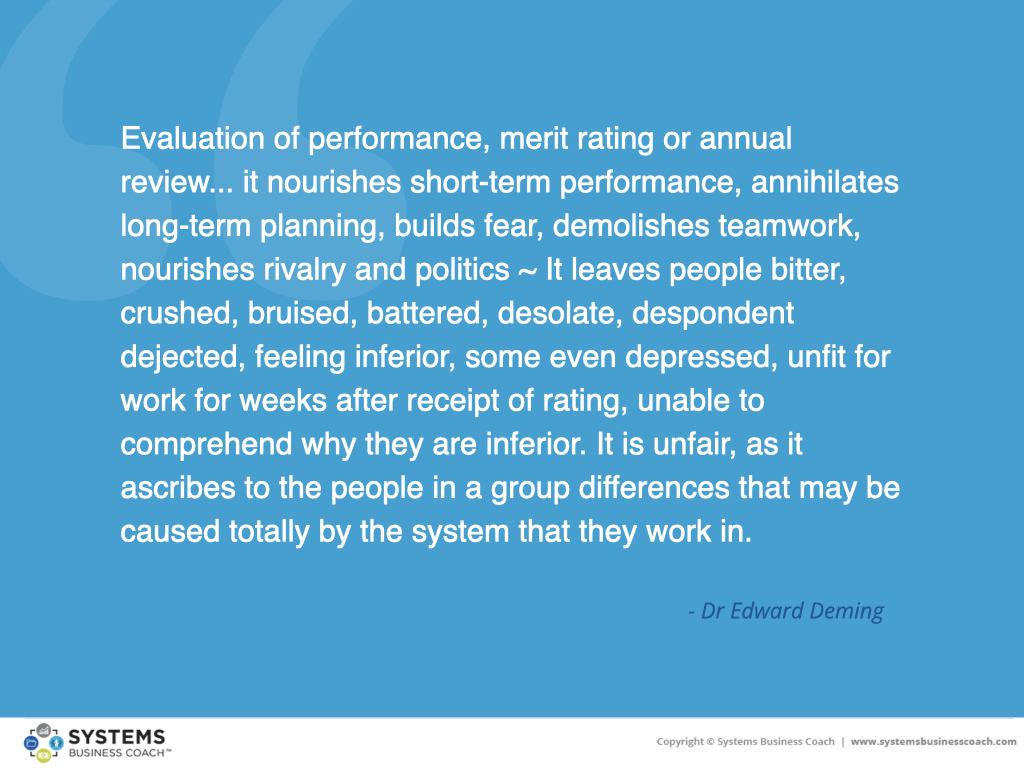
His systems perspective recognized that performance is shaped by the process, tools, training, leadership, workload, suppliers, customer demand, and variation in the work. When leaders ignore those factors, they can blame employees for problems that management and the system have created or allowed.
Consider a customer service employee whose response times have slipped. A conventional review may focus on urgency, attitude, or time management.
A systems view asks additional questions.
Has the volume of requests changed?
Are customer records complete? Does the employee need approval before resolving common issues?
Are multiple communication channels creating duplicate work?
Does the team have a shared definition of a timely response?
Those questions do not excuse poor performance. They locate the problem before prescribing a solution. If the issue is a skill gap, focused practice and feedback may help. If the issue is an unclear workflow, coaching the employee to “work harder” will likely produce stress rather than improvement.
Deming also warned against managing solely by visible numbers.
A sales representative may reach a monthly target by discounting heavily, making promises operations cannot deliver, or pursuing poor-fit customers.
The number looks positive while the wider system absorbs the cost. Small business coaches can help owners choose measures that reflect both results and the quality of the process producing them.
Systems Coaching and a Coach Approach
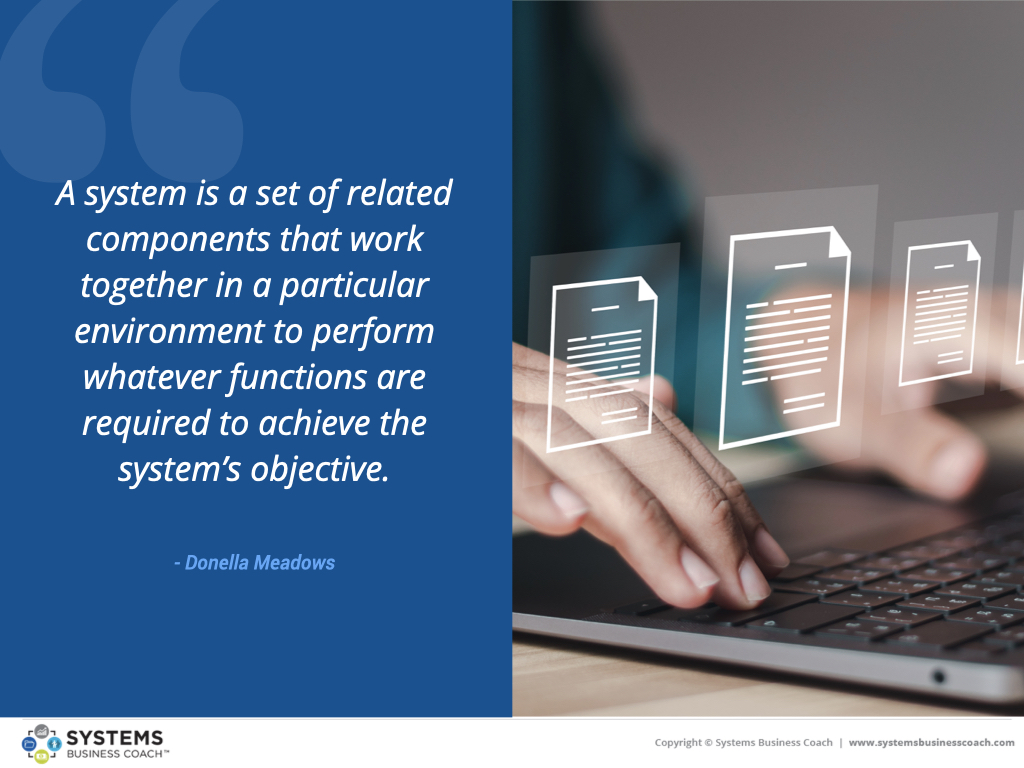
Systems coaching invites an owner to see patterns and relationships rather than isolated events.
A coach approach does not require the coach to diagnose every operational problem or become the owner’s substitute manager. It means creating the conditions for the owner to think clearly, notice assumptions, make decisions, and follow through.
For example, an owner may say, “My team is not accountable.” A consultant might immediately recommend a scorecard, stricter deadlines, or a new policy.
Those tools could be useful, but a coach begins by exploring what is happening.
What does accountability mean in this business?
Where are expectations explicit, and where are they assumed?
What information does the team receive before being asked to act?
What happens when someone raises a concern?
Which part of the workflow creates the most delays?
This approach respects the owner’s expertise while making room for a fuller view of the business. It also fits the realities of small business coaching, where leadership, cash flow, staffing, operations, and customer experience are tightly connected. A hiring problem may actually be a training problem. A recurring quality issue may begin with an unclear sales promise. An employee conflict may reflect roles that overlap without defined decision rights.
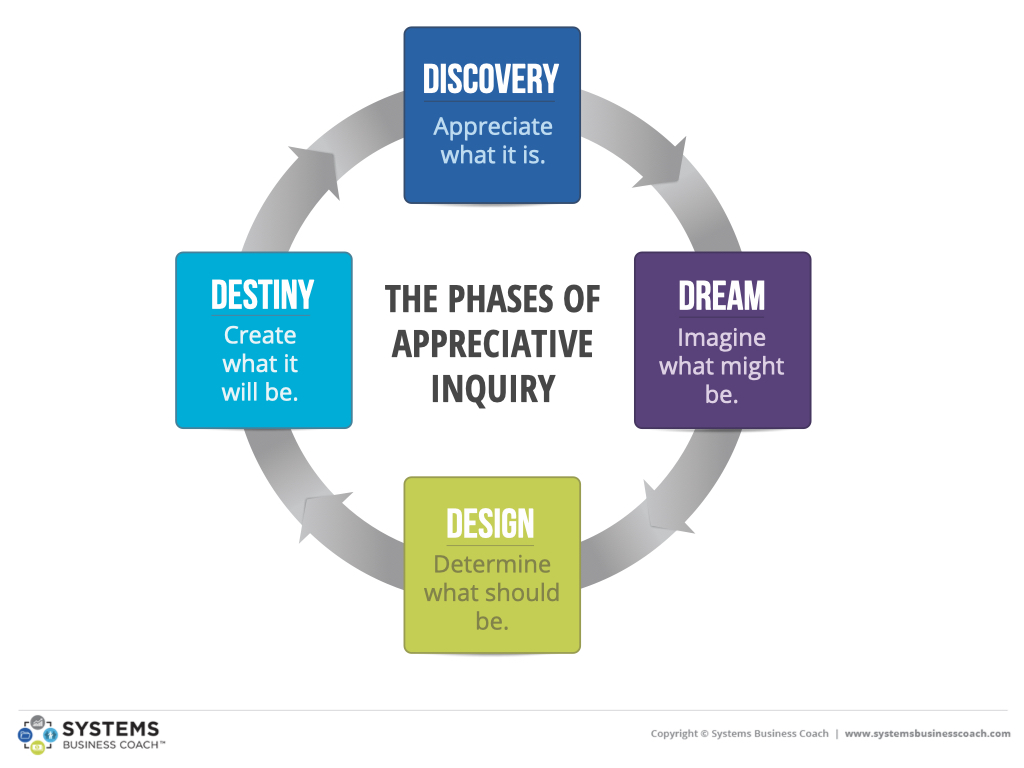
Appreciative inquiry can strengthen these conversations. Alongside examining what is not working, ask when the team performs well. What conditions were present? Which policies and procedures helped people succeed? What strengths could be repeated across the business? This keeps measurement from becoming a search for failure and turns it into a practical learning process.
Measuring Employee Performance Without Damaging Trust
The most useful performance measures are relevant to the role, visible to the employee, and connected to factors the employee can reasonably influence. They are reviewed often enough to guide improvement, not saved for a once-a-year judgment.
A small business does not need an elaborate dashboard for every role. It needs a small number of meaningful indicators and a regular conversation about what the indicators reveal. Measures may include quality, timeliness, customer outcomes, safety, accuracy, follow-through, or contribution to a team process. The right mix depends on the work.
For a bookkeeper, the measure may include the timeliness and accuracy of reconciliations, plus the quality of information provided to the owner. For a technician, it may include first-time resolution, documentation quality, and customer feedback. For a marketing coordinator, it may include the consistency of campaign execution and qualified leads, not merely the number of posts published.
When helping an owner design measures, encourage them to test five questions:
- Is this measure tied to a result the business and customer genuinely value?
- Can the employee understand how it is calculated and influence it through their work?
- Does it account for important variation, such as seasonality, staffing levels, or changes in demand?
- Could the measure encourage an unintended behavior that harms another part of the business?
- What conversation, support, or process improvement will follow when the number changes?
The last question is often missed. A measure without a response process becomes surveillance. A measure paired with coaching can become feedback for learning. If turnaround time rises, the conversation could explore workload, handoffs, obstacles, and options before jumping to a warning or a rating.
Separate Individual Development From System Improvement
A practical performance process distinguishes between what the employee owns and what the business owns. Employees can own commitments, communication, skill development, preparation, and adherence to agreed policies and procedures. Owners and managers can own role clarity, training, staffing, workflow design, priorities, tools, and timely decisions.
Many issues involve both. A new employee may need to ask for clarification sooner, while the manager may need to provide a better onboarding plan. A salesperson may need stronger discovery skills, while the business may need clearer qualification criteria. Holding both truths creates a more accurate and productive conversation.
This is where a coach’s ethical discipline is valuable. Rather than taking sides or deciding who is at fault, the coach can help the owner examine evidence, identify patterns, and choose a proportionate response. In some cases, direct performance management is necessary. Persistent misconduct, repeated failure to meet clear expectations, or inability to perform essential duties may require a formal process. Systems thinking does not mean avoiding difficult decisions. It means ensuring those decisions are based on clear expectations and a credible understanding of the work environment.
A Practical Coaching Conversation for Owners
When an owner brings an employee-performance concern to a coaching session, start with the business impact and work backward. Ask what outcome is at risk, how long the pattern has existed, and what evidence supports the concern. Then widen the lens: where in the system might this performance be influenced?
A useful sequence is to clarify the expected result, map the current process, identify points of delay or confusion, and determine what is within the employee’s control. From there, the owner can choose a next step: improve a process, clarify a role, provide training, adjust workload, set a specific commitment, or begin a formal performance conversation.
The coach can then ask, “How will you know the change is helping?” This turns vague intentions into observable progress. It may also reveal that the owner needs a simple operating rhythm, such as a weekly check-in, a monthly review of key measures, or a clearer system for documenting commitments.
Build Organized and Profitable Businesses Through Better Questions
Employee performance is rarely just an employee issue. It is often a signal from the larger business system. Coaches who understand Deming’s perspective can help owners move beyond blame, while still addressing expectations and results with clarity.
Small Business Coach Training prepares professionals to bring this combination of coaching competence, systems thinking, practical tools, and business awareness to owners who need it. The work is not about creating perfect scorecards or avoiding accountability. It is about helping leaders build the conditions where people can do good work and where an organized and profitable business can improve on purpose.
A better performance conversation may begin with one question: “What in this system is helping this person succeed, and what is getting in the way?”
Explore Small Business Coach Training for Your Work
If you work with small business owners and want to strengthen the conversations you are already having, book a 30-minute conversation with Systems Business Coach® founder Beverlee Rasmussen.
Explore how small business coach training can help you build practical coaching skills, deepen your understanding of small business, and better support the owners you work with.