
 Beverlee Rasmussen
 A small business owner can leave a workshop with useful information and still feel uncertain about Monday morning. They may know that cash flow needs attention, a new hire is overdue, or sales have slowed. The harder work is deciding where to begin, choosing an action that fits the business, and following through while daily demands continue.
Economic development coaching creates space for that work. It combines professional coaching skills with a practical understanding of small business realities. Economic development officers, loan officers, advisors, and entrepreneurship-support professionals can use a coach approach to help owners think clearly, see connections across the business, and act with greater confidence.
The need is substantial. Innovation, Science and Economic Development Canada reports that small businesses accounted for 98.2% of Canadian employer businesses in December 2024. Across rural and remote communities, Community Futures organizations provide financing, business support, community economic development, and strategic planning. Coaching can strengthen these services by helping owners turn information and resources into decisions they are ready to carry out.

Why Economic Development Coaching Matters
Economic development programs often provide excellent resources: training, financing information, market data, referrals, templates, and technical assistance. Owners still need time to interpret that information within the realities of their own company.
A coach approach begins with the owner’s goal and context. The professional listens for what matters, asks questions that expand the owner’s thinking, reflects patterns, and supports clear commitments. The owner remains the decision-maker.
Consider an owner who says, “I need more customers.” An advice-first response may move immediately to advertising. A coaching conversation explores the situation before selecting a tactic:
- Which customers are most profitable and easiest to serve?
- Where do strong customers currently come from?
- What happens after a prospect makes an inquiry?
- How much capacity exists to deliver more work?
- What result would make the next 90 days meaningfully different?
The conversation may reveal a lead-generation problem. It may uncover weak follow-up, unclear positioning, low customer retention, pricing that limits marketing capacity, or an owner whose schedule leaves no time for sales activity. A precise diagnosis leads to a more useful next step.
Organizations exploring this model can review small business coach training for economic development agencies and consider where coaching fits within intake, lending, training, and ongoing business support.
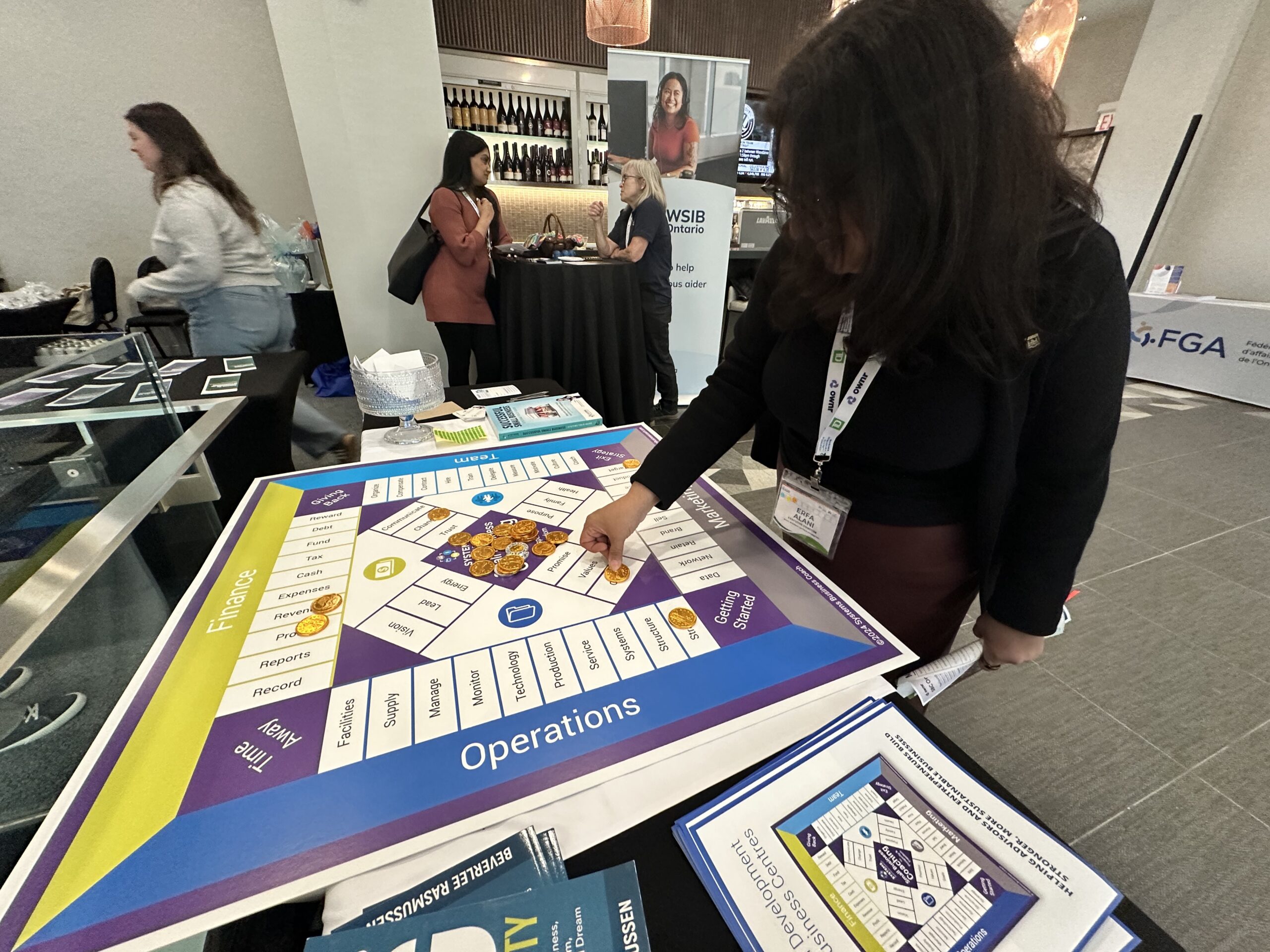
Small Business Coaching Requires Systems Thinking
A small business is not a collection of separate departments. It is a connected system in which decisions in one area affect another. A new marketing campaign may create demand that overwhelms operations. Hiring a new employee may improve capacity but pressure cash flow. Offering a discount may increase sales while reducing the margin needed to sustain the business.
Effective small business coaching helps owners see these relationships. The goal is not to hand them a complicated strategic plan. It is to help them build an organized and profitable business through practical decisions made consistently over time.
Consider an owner who says their team is unreliable. A consultant may begin with hiring advice. A coach could explore what “reliable” means in daily work, how expectations are communicated, whether roles are clear, and what policies and procedures guide common situations. The conversation may reveal that the business has capable people but no shared operating rhythm. The next action could be a weekly team meeting, a written opening checklist, or a clearer process for customer handoffs.
These are modest changes, but they can reduce confusion and give the owner more time to lead. Systems thinking helps a coach connect the immediate concern to the underlying conditions that shape results.
Coaching, Advising, and Consulting Each Have a Place
Economic development professionals often move among several roles in one conversation. They may explain program criteria, recommend a resource, teach a financial concept, make a referral, and coach the owner through a decision.
Clarity keeps the relationship useful and ethical.
- Advising shares informed guidance based on knowledge of programs, markets, or business practices.
- Consulting assesses a defined problem and recommends a course of action.
- Coaching helps the owner examine the situation, generate options, choose an action, and learn from the result.
- Referral connects the owner with expertise outside the professional’s scope.
A loan officer, for example, may explain which documents a lender requires. The conversation can then shift into coaching: Which document feels hardest to complete? What information is already available? Who can help? What first action will move the application forward this week?
Naming the role builds trust. A simple transition such as, “I have information that may help. Would you like me to share it, or would it be more useful to think through your options first?” preserves the owner’s agency and makes the professional’s contribution clear.
Systems Thinking Makes Coaching Practical
A small business operates as a connected system. Marketing affects operations. Staffing affects cash flow. Pricing affects capacity. Leadership habits affect customer experience. A decision that improves one area can create pressure somewhere else.
Systems thinking in small business coaching helps owners see these relationships. The goal is a workable view of the whole company, followed by a focused action at a useful leverage point.
Imagine an owner who describes the team as unreliable. A quick solution may focus on recruiting. A systems conversation explores what reliability looks like in daily work, how expectations are communicated, whether roles are clear, how training occurs, and which processes guide common situations.
The owner may discover that capable employees are working without a shared operating rhythm. The first action could be a weekly team meeting, a written opening checklist, a clearer customer handoff, or a short review of responsibilities. These modest changes can reduce confusion, improve service, and return time to the owner.
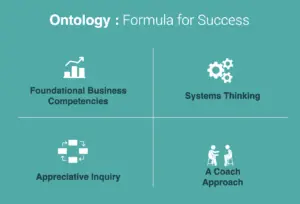
This practical systems perspective is central to Systems Business Coach certification, which combines a coach approach, systems thinking, appreciative inquiry, and small business tools.

Start With Strengths and Evidence
Economic development work frequently begins with a problem: declining revenue, a financing gap, staffing pressure, succession concerns, or an owner nearing exhaustion. Problem clarity matters, and an exclusive focus on deficits can narrow the conversation.
Appreciative inquiry for small business coaching examines strengths, successful patterns, and conditions that have supported progress. Useful questions include:
- When has this part of the business worked well?
- What was different at that time?
- Which customer relationships are strongest?
- What capability has the owner already demonstrated?
- What can be repeated, adapted, or expanded?
A restaurant owner concerned about weekday sales may discover that the strongest relationships come from nearby employers. That evidence can support a focused catering offer or a direct outreach plan. The action grows from an existing strength and a specific market opportunity.
Practical tools can support the conversation. A cash flow forecast, customer journey map, role-clarity exercise, sales tracker, or process map can make patterns visible. The tool provides structure. Coaching helps the owner interpret what they see, decide what matters, and commit to action.
What Effective Economic Development Coaching Looks Like
Strong engagements connect the owner’s priorities with observable progress.
One owner may want steadier cash flow. Another may be preparing to hire a manager, purchase equipment, enter a new market, document operations, or step away from daily work. The coach helps define a useful outcome in language that fits the owner’s situation.
Progress may appear in behaviour before it appears in financial results. Examples include:
- reviewing cash flow every two weeks;
- holding consistent team meetings;
- documenting a recurring process;
- delegating one operational responsibility;
- following up with qualified leads within 24 hours;
- testing a pricing change with a defined customer segment;
- reserving weekly time for business development.
Revenue, profitability, retention, and employment are important measures. They are also influenced by market conditions, financing, competition, timing, and many other factors. Responsible coaching avoids promises about outcomes outside the coach’s control. It focuses on stronger decisions, disciplined action, learning, and adaptation.
From a Helpful Conversation to a Repeatable Service
Economic development coaching strengthens the link between resources and results. It helps professionals slow down long enough to understand the owner’s real challenge, identify connections across the company, and support an action that fits.
The most valuable response to “I do not know where to start” may be a thoughtful question, a practical tool, and enough space for the owner to recognize the next decision they are ready to make.
If you work with small business owners, you need strong coaching skills and a practical understanding of the challenges they face every day.
The Small Business Coach Foundations course develops a coach approach grounded in ICF Core Competencies, systems thinking, appreciative inquiry, and the realities of running a small business. Through live learning, practical cases, coaching practice, and reflection, participants learn to ask stronger questions, stay in the role of coach, and help owners move from insight to meaningful action.
Ready to coach small business owners with more confidence?
Book a call with one of our advisors to see where this training might help your organization.